
Economizers Explained: Free Cooling for Commercial Buildings
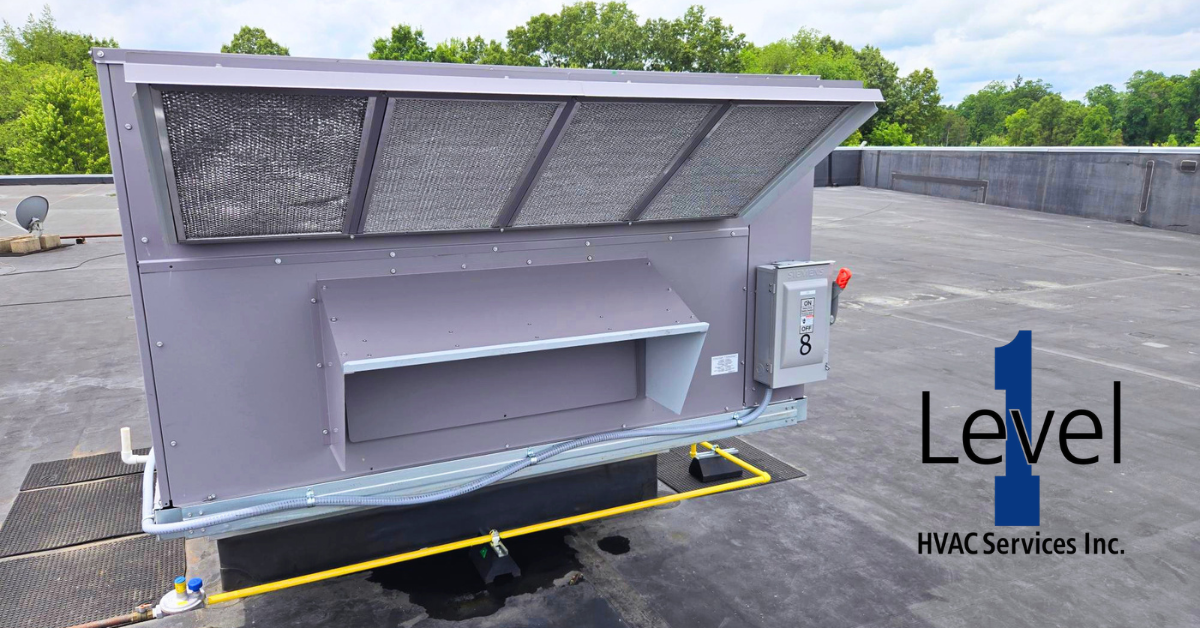
Have you ever opened a window on a cool day to let fresh air into a warm room? Instead of turning on the air conditioner, you use the cooler outdoor air to help lower the indoor temperature.
A commercial HVAC system can do something similar using a device called an economizer.
An economizer is a component of a heating, ventilation, and air conditioning (HVAC) system that uses favorable outdoor conditions to help cool a building. When the outside air is cool enough, the system can bring in more outdoor air to reduce the need for mechanical cooling.
This process is often called free cooling because the building can use naturally cool outdoor air instead of relying as heavily on its air conditioning equipment.
Although the cooling is not completely free, since fans and other system components still use electricity, an economizer can help reduce energy consumption and operating costs.
How Does an Economizer Work?
An economizer works by monitoring outdoor conditions and adjusting the amount of outside air entering the HVAC system.
Here is how the process typically works:
Step 1: The system checks outdoor conditions.
Sensors measure conditions such as outdoor temperature and, in some systems, humidity or enthalpy. Enthalpy is a measure of the total heat content of the air, including the effects of moisture.
Step 2: The system determines whether outdoor air can provide cooling.
If the outdoor air is suitable for cooling, the economizer control system allows the HVAC unit to use more of that air.
Step 3: Dampers adjust the airflow.
Dampers are movable panels inside the HVAC system that control how much air enters from outside and how much air is returned from the building.
When conditions are favorable, the outdoor air damper opens farther, and the return air damper adjusts to allow more outdoor air into the system.
Step 4: The outdoor air helps cool the building.
The cooler air passes through the HVAC equipment and into the building. Depending on the system and outdoor conditions, mechanical cooling may be reduced or may not be needed at all.
Step 5: Mechanical cooling operates when necessary.
If outdoor air cannot meet the cooling demand, the air conditioning system provides additional cooling to maintain the desired indoor temperature.
What Are the Main Parts of an Economizer?
Most air-side economizers include several important components:
- Outdoor air damper: Controls how much outside air enters the HVAC system.
- Return air damper: Controls how much air returning from the building is recirculated.
- Sensors: Measure outdoor conditions and help determine when free cooling is appropriate.
- Controller: Uses sensor information to decide when and how the economizer should operate.
- Actuator: Moves the dampers in response to the controller’s commands.
Together, these components help the HVAC system take advantage of favorable outdoor conditions while maintaining indoor comfort.
When Does an Economizer Provide Free Cooling?
Economizers are most useful when the outdoor air can help cool the building without creating additional heating or humidity problems.
For example, imagine a commercial office building on a cool fall morning. The indoor temperature is 74°F, but the outdoor temperature is 55°F.
Instead of relying entirely on the air conditioner’s compressor, the HVAC system may bring in more outdoor air to help cool the building.
Now imagine a hot summer afternoon when the outdoor temperature reaches 95°F. In this situation, outdoor air is unlikely to provide useful cooling, so the economizer may return to its minimum outdoor air setting while the mechanical cooling system handles the load.
The exact operating conditions depend on the economizer’s control strategy, humidity, building requirements, and equipment design.
What Are the Benefits of Economizers?
Economizers can provide several benefits for commercial buildings.
1. Lower energy consumption
When outdoor air can provide cooling, the HVAC system may reduce the amount of work performed by its mechanical cooling equipment.
2. Reduced operating costs
Using less compressor cooling can lower electricity consumption and help reduce utility expenses.
3. Improved energy efficiency
Economizers help HVAC systems respond to changing outdoor conditions instead of relying exclusively on mechanical refrigeration.
4. Support for ventilation
Economizers can increase outdoor airflow when conditions are favorable. However, the system must still maintain the building’s required ventilation and indoor air quality standards.
5. Potentially reduced equipment runtime
When free cooling replaces some mechanical cooling, compressors may run less often, potentially reducing wear. Actual results depend on the system’s design, controls, and maintenance.
What Is the Difference Between an Economizer and an Air Conditioner?
An air conditioner uses a refrigeration cycle to remove heat from indoor air. It relies on components such as a compressor, evaporator coil, and condenser to transfer heat.
An air-side economizer uses outdoor air to help cool the building when conditions are suitable.
The key difference is how the cooling is provided.
- Air conditioner: Produces cooling through mechanical refrigeration.
- Economizer: Uses favorable outdoor air conditions to reduce the need for mechanical refrigeration.
These systems work together. An economizer does not replace the air conditioner; it helps the HVAC system operate more efficiently when outdoor conditions allow.
What Happens When an Economizer Is Not Working Properly?
Like any HVAC component, an economizer needs proper setup, operation, and maintenance.
Common problems include:
- Stuck dampers: Dampers may become stuck open or closed, preventing the system from controlling airflow correctly.
- Faulty sensors: Incorrect temperature or humidity readings can cause the economizer to operate at the wrong time.
- Control problems: Incorrect settings or programming can prevent the system from taking advantage of free cooling.
- Poor maintenance: Dirt, damaged linkages, or worn components can interfere with proper operation.
An economizer that fails to operate correctly may waste energy, reduce comfort, or allow excessive outdoor air into the building under unsuitable conditions.
Routine inspections and functional testing help ensure that the economizer operates as intended.
Why Are Economizers Important in Commercial Buildings?
Commercial buildings often operate HVAC systems for many hours each day. Even a small improvement in cooling efficiency can add up over time.
Economizers help take advantage of cool outdoor conditions, reducing unnecessary mechanical cooling and supporting more efficient building operation.
They are commonly found in commercial rooftop units and other HVAC systems serving offices, schools, retail spaces, and similar facilities.
When properly designed, controlled, and maintained, economizers can be an important part of an energy-efficient HVAC strategy.
Final Thoughts
An economizer is a simple but valuable HVAC technology that helps commercial buildings use cool outdoor air to reduce the need for mechanical cooling.
By understanding how dampers, sensors, and controls work together, building owners and HVAC professionals can better understand how free cooling saves energy and supports efficient system operation.
The main takeaway: When outdoor conditions are favorable, an economizer lets the HVAC system use nature’s cooling power before relying entirely on the air conditioner.
In commercial HVAC, that is a smart way to improve efficiency, manage operating costs, and make better use of available resources.
Serving all of Michigan
Call: 844-616-4822