
Common Commercial Heating Problems and When to Call
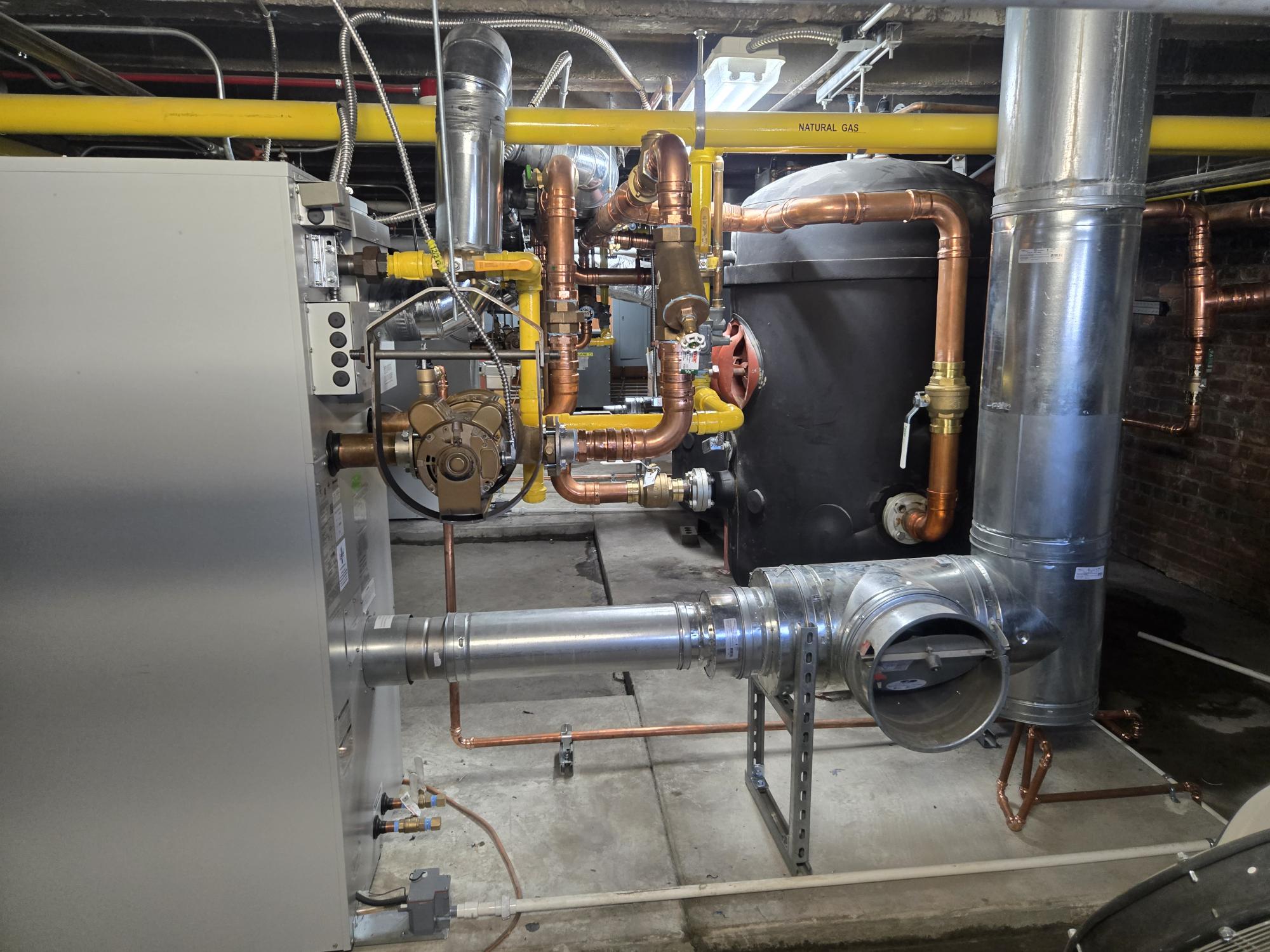
When the temperature drops, a heating problem can quickly become a business problem. Uncomfortable tenants, unhappy customers, and frozen pipes are all things you’d rather avoid. Most heating issues give off warning signs before they turn into a full breakdown. Knowing what to look for, and when to pick up the phone, can save you time, money, and stress.
And if something does go wrong, you don’t have to wait for business hours. Level One is available 24/7, 365 days a year, including nights, weekends, and holidays.
A Quick Safety Note First
Some heating problems are emergencies. If you smell gas, suspect a carbon monoxide leak, see smoke, or notice scorching or burning smells from the equipment, take these steps right away:
- Get people out of the building if there is any risk to their safety
- Don’t turn lights, switches, or equipment on or off if you smell gas
- Call your gas utility’s emergency line or 911 from a safe location
- Have a qualified technician inspect the system before it’s used again
Heating equipment involves gas, electricity, and combustion, so it’s not an area for guesswork.
Common Commercial Heating Problems
1. No heat at all
This is the most obvious and urgent problem.
Possible causes include:
- A thermostat that’s off, set incorrectly, or has dead batteries
- A tripped breaker or blown fuse
- A closed or failed gas supply
- A pilot light or ignition problem
- A failed control board, motor, or other component
What you can check: Make sure the thermostat is set to heat and the temperature is above the current room temperature, and replace batteries if it uses them. Check whether the unit’s power switch is on and whether a breaker has tripped.
When to call a pro: If those checks don’t solve it, or if a breaker trips again after you reset it. Don’t keep resetting a breaker that keeps tripping, since that can indicate an electrical problem. No heat in the middle of the night or on a holiday is exactly when 24/7 service matters.
2. Uneven heating
Hot spots in one area and cold spots in another are a common complaint. Causes include:
- Dirty or clogged filters restricting airflow
- Blocked or closed vents and registers
- Leaky or poorly balanced ductwork
- Thermostats placed in the wrong spot
- A system that’s too small or too large for the space
- Failing equipment in one zone
What you can check: Change dirty filters and make sure vents aren’t blocked by furniture, boxes, or equipment.
When to call a pro: If the problem continues, since it may point to duct, balancing, or equipment issues that need testing.
3. Weak airflow
If the heat is on but not much air is coming out, you may be dealing with:
- Clogged filters
- A failing blower motor or worn belt
- Dirty coils or blower components
- Blocked or damaged ductwork
What you can check: Look at the filter first, since it’s the most common culprit.
When to call a pro: If a new filter doesn’t help, or if you hear unusual noises along with the weak airflow.
4. Strange noises
Different sounds can point to different problems:
- Squealing or screeching: Often a worn belt or motor bearing
- Banging or popping: Could be ductwork expanding, or a delayed ignition in a gas unit
- Rattling: Loose panels, screws, or parts
- Grinding: Usually a failing motor or bearing, which can cause serious damage if ignored
When to call a pro: Soon. Noises rarely fix themselves, and small parts that fail can take bigger components with them.
5. Short cycling
Short cycling happens when the unit turns on and off frequently without completing a normal heating cycle. It wastes energy and puts extra wear on the equipment. Common causes include:
- Dirty filters or restricted airflow
- An overheating heat exchanger
- A faulty thermostat or sensor
- A system that’s oversized for the space
What you can check: Replace the filter and make sure vents are open.
When to call a pro: If it continues. Overheating can be a safety issue, so don’t ignore it.
6. Rising energy bills
If your heating costs climb without a clear reason, your system may be losing efficiency. Possible causes include:
- Dirty filters and components
- Duct leaks
- Worn parts
- Controls that aren’t set correctly for how the building is used
- Aging equipment
When to call a pro: An inspection or energy audit can pinpoint where the system is wasting energy, and may reveal fixes that pay for themselves.
7. Thermostat and control problems
Thermostats that read incorrectly, don’t respond, or reset themselves can cause the system to run poorly or not at all. Programming mistakes are also common, such as schedules that don’t match business hours.
What you can check: Verify the settings, schedule, and batteries.
When to call a pro: If the thermostat seems faulty, or if the system doesn’t respond even when settings look right.
8. Pilot light or ignition problems
Gas-fired systems rely on a reliable ignition. If the unit clicks but doesn’t light, or lights and shuts off, the cause could be a dirty burner, a failing igniter, a flame sensor problem, or a gas supply issue.
When to call a pro: Right away. Don’t try to relight or repair gas ignition components yourself unless you’re trained and following the manufacturer’s procedure.
9. Unusual smells
- Dusty or burning smell at the start of the season: Often dust burning off the heating components, which should pass quickly
- Burning plastic, rubber, or electrical smell: Could be a failing motor or wiring. Shut off the system and call a professional.
- Rotten egg smell: Treat this as a gas leak and follow the emergency steps above.
10. Frozen or leaking components
In cold climates, condensate lines, pipes, and coils can freeze, and water leaks can damage equipment and building materials. Hot water and steam systems can also develop leaks, pressure problems, or air trapped in the lines.
When to call a pro: As soon as you notice water or ice where it shouldn’t be.
Simple Things You Can Check Yourself
Before you call, a quick check can rule out the easy fixes:
- Thermostat setting, schedule, and batteries
- Breaker panel and unit power switch
- Air filters
- Vents and registers, to make sure they’re open and unblocked
- Snow, ice, or debris around outdoor air intakes and vents
If these don’t solve the problem, stop there. Opening panels or working on gas, electrical, or refrigerant components is for qualified technicians only.
When to Call a Professional
Call your HVAC contractor if:
- You smell gas or burning, or suspect carbon monoxide (treat these as emergencies)
- The system won’t turn on after the basic checks
- A breaker keeps tripping
- The unit short cycles, overheats, or shuts itself off
- You hear grinding, banging, or other loud noises
- Heating is uneven and a new filter doesn’t help
- You see water leaks, ice, or rust
- Energy bills rise without explanation
- The equipment is old and repairs are becoming frequent
When in doubt, call. A short service visit usually costs less than the damage from letting a small problem grow.
At Level One, you can call any time. We’re available 24 hours a day, 7 days a week, 365 days a year, so a heating failure at 2 a.m. or on a holiday gets the same attention as a problem on a Tuesday afternoon.
The Best Fix Is Prevention
Many of the problems above trace back to the same causes: dirty filters, worn parts, loose connections, and small issues that went unnoticed. Regular maintenance catches these early, before they cause a shutdown on the coldest day of the year.
A few habits help:
- Schedule a tune-up before heating season begins
- Change filters on a regular schedule
- Keep vents, returns, and the area around equipment clear
- Address small issues, such as noises or uneven temperatures, early
- Keep records of maintenance and repairs so patterns are easy to spot
Why a Preventive Maintenance Agreement Makes Sense
Remembering to schedule maintenance is easy to put off when you’re busy running a business. A preventive maintenance agreement takes that off your plate. Level One offers preventive maintenance agreements that set up regular, scheduled service for your equipment, so inspections happen on time instead of after something breaks.
Here’s why building owners and managers choose them:
- Fewer surprise breakdowns. Technicians can spot worn belts, dirty components, loose connections, and other warning signs before they turn into failures.
- Lower energy costs. Clean, well-adjusted equipment runs more efficiently.
- Longer equipment life. Regular care reduces strain on motors, heat exchangers, and other major components.
- Predictable budgeting. Planned maintenance is easier to budget for than emergency repairs.
- Documented service history. Records of what was inspected and repaired make it easier to plan repairs and replacements.
- A team that knows your building. When the same company maintains your equipment, they get to know your systems, which helps when something does go wrong.
Combined with 24/7/365 availability, a maintenance agreement means you have a partner who looks after your equipment all year and is there when you need them.
The Bottom Line
Most commercial heating problems show warning signs before they turn into full breakdowns. Check the simple things first, take safety issues seriously, and don’t wait to call a professional when something doesn’t feel right. Even better, get ahead of problems with regular maintenance.
If your heating system has been acting up, or you’d like to get ahead of winter, contact Level One. We’re available 24/7/365 for service, and we can tell you how a preventive maintenance agreement could work for your building. Call us at 844-616-4822 or visit www.levelonehvac.com to get started.
Serving all of Michigan
Toll Free: 844-616-4822
Grand Rapids: 616-616-4822
New Hudson: 248-486-6500
West Branch: 989-999-4822