
Commercial Freeze Protection Guide
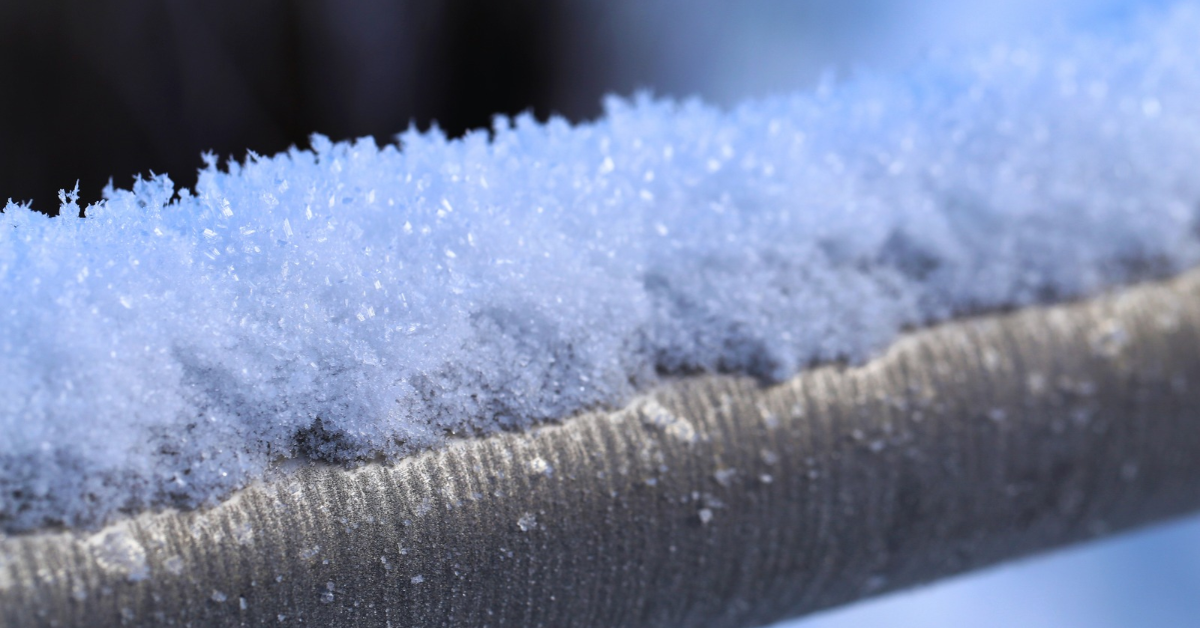
A sudden cold snap can catch even well-run buildings off guard. When temperatures fall below freezing, water in pipes, coils, and drain lines can turn to ice. Ice expands, and that expansion can crack pipes, split coils, and damage equipment, often causing water damage, downtime, and costly repairs. The good news is that most freeze damage is preventable with a little preparation.
Why Freezing Is Such a Problem
Water expands as it freezes. Inside a pipe or coil, that pressure has nowhere to go, so the weakest point gives way. The damage often isn’t obvious until the ice thaws and water starts to leak, which can happen hours or days later, sometimes when no one is in the building.
A single burst pipe can cause:
- Water damage to ceilings, floors, and equipment
- Interrupted business or tenant displacement
- Expensive cleanup and repairs
- Mold growth if moisture isn’t dried out quickly
- Unplanned heating or cooling system shutdowns
Where Freezing Happens in a Commercial Building
1. Water and plumbing pipes
Pipes in unheated areas, along exterior walls, in ceilings, crawl spaces, mechanical rooms, and near loading docks are the most vulnerable. Fire sprinkler lines can also be at risk in unheated spaces.
2. Hydronic heating coils and piping
Buildings with hot water or glycol heating systems have coils in air handlers and rooftop units. If the water in a coil stops moving and cold air blows across it, the coil can freeze and split. Outdoor piping and heating loops are also at risk if they aren’t protected.
3. Condensate lines
Condensate lines carry water produced by cooling equipment and high-efficiency heating equipment away from the unit. If a line runs outdoors or through a cold space, the water can freeze and block it, which can cause backups, leaks, or shutdowns. High-efficiency furnaces and boilers are especially sensitive to blocked condensate drains.
4. Outdoor air intakes and dampers
Dampers that are stuck open can let freezing air straight into the building’s air handling equipment, which can freeze coils. Snow, ice, and debris can also block intakes and vents.
5. Outdoor equipment
Rooftop units, heat pumps, and outdoor components can be affected by ice buildup, frozen drains, and blocked airflow.
6. Vacant or lightly used spaces
Areas that aren’t heated or monitored, such as storage rooms, vacant suites, and seasonal spaces, are among the most common spots for freeze damage, since no one notices a problem until water appears.
Quick Steps Before a Hard Freeze
Before a cold snap arrives, here’s a practical checklist:
Inside the building
- Keep the heat on. Don’t let the building drop too low overnight or on weekends. Many experts recommend keeping the temperature no lower than about 55°F, but ask your HVAC contractor what’s right for your building.
- Open cabinet doors under sinks along exterior walls so warm air can reach the pipes.
- Let faucets drip in vulnerable areas during extreme cold. Moving water is less likely to freeze.
- Check vacant and unused spaces to make sure they’re getting heat.
- Seal drafts and gaps around doors, windows, and wall openings near pipes.
- Know where your main water shutoff is. Make sure the right people can find it and operate it quickly.
Pipes and insulation
- Insulate exposed pipes in unheated areas.
- Check heat trace cable or other freeze-protection systems on pipes, if your building has them, to be sure they’re working.
- Inspect for damaged or missing insulation around pipes, especially near exterior walls and roof access areas.
HVAC equipment
- Have your heating system inspected before cold weather so it’s ready to run reliably.
- Check outdoor air dampers to make sure they close properly and aren’t stuck open.
- Test freeze protection controls on air handlers and coils, which a technician can verify.
- Check glycol levels and mix in hydronic loops that use antifreeze, since the wrong concentration can fail in extreme cold.
- Clear snow, ice, and debris from intakes, vents, and outdoor equipment, using safe methods that won’t damage the equipment.
- Check condensate drain lines and make sure they slope properly, are insulated or protected where needed, and drain freely.
Roof and exterior
- Check rooftop equipment for ice buildup and clogged drains.
- Use caution on the roof. Ice and snow make rooftops especially hazardous, so leave roof work to trained technicians.
Special Case: Holiday Closures and Empty Buildings
Holidays are a common time for freeze damage. When a building sits empty for several days, a heating failure or a too-low thermostat setting can go unnoticed.
If your building will be closed:
- Set the thermostat to a safe minimum temperature rather than turning the heat off completely
- Ask your contractor to confirm that setbacks won’t put pipes or equipment at risk
- Consider remote temperature monitoring or alarms that alert you if the building gets too cold
- Have someone check the building during extreme cold, if possible
- Make sure your HVAC contractor’s emergency number is on hand
What to Do If Something Freezes
- If a pipe is frozen but not burst: Shut off the water to that area if you can. Warm the area gently with safe heat sources. Never use an open flame or torch to thaw a pipe.
- If a pipe bursts: Shut off the main water supply right away, turn off electricity near the water if it’s safe to do so, and call a plumber and your HVAC contractor.
- If a coil or condensate line freezes: Shut the equipment down and call a professional. Running the unit can cause more damage.
- If you smell gas or suspect a carbon monoxide problem: Leave the area, call your gas utility’s emergency line or 911 from a safe place, and don’t re-enter until it’s been cleared.
Warning Signs of Trouble
Watch for these during cold weather:
- A cold spot or room that isn’t heating
- Reduced water pressure or no water from a tap
- Frost or ice on pipes, coils, or outdoor equipment
- Strange noises from pipes or heating equipment
- Water stains, drips, or damp spots on ceilings and walls
- An air handler or rooftop unit shutting down repeatedly
- Alarms or error codes related to low temperature or freeze protection
If you notice any of these, act quickly. A small problem can turn into a flood.
Prevention Works Best
Freeze protection works best as part of regular maintenance. Annual inspections before winter, working controls and dampers, healthy insulation, and clear drains all reduce the risk. A preventive maintenance agreement helps make sure these checks happen on time every year, so you aren’t scrambling after temperatures drop.
The Bottom Line
Cold snaps are unpredictable, but freeze damage doesn’t have to be. A little preparation, such as keeping the building warm, protecting vulnerable pipes and coils, and checking your equipment, can save you from expensive repairs and disruptions.
At Level One, we’re available 24/7/365, including nights, weekends, and holidays, so if something goes wrong during a cold snap, we’re here. We also offer preventive maintenance agreements that keep your equipment inspected and ready for winter.
Serving all of Michigan
Toll Free: 844-616-4822
Grand Rapids: 616-616-4822
New Hudson: 248-486-6500
West Branch: 989-999-4822