
How Duct Cleaning Improves Commercial Air Quality
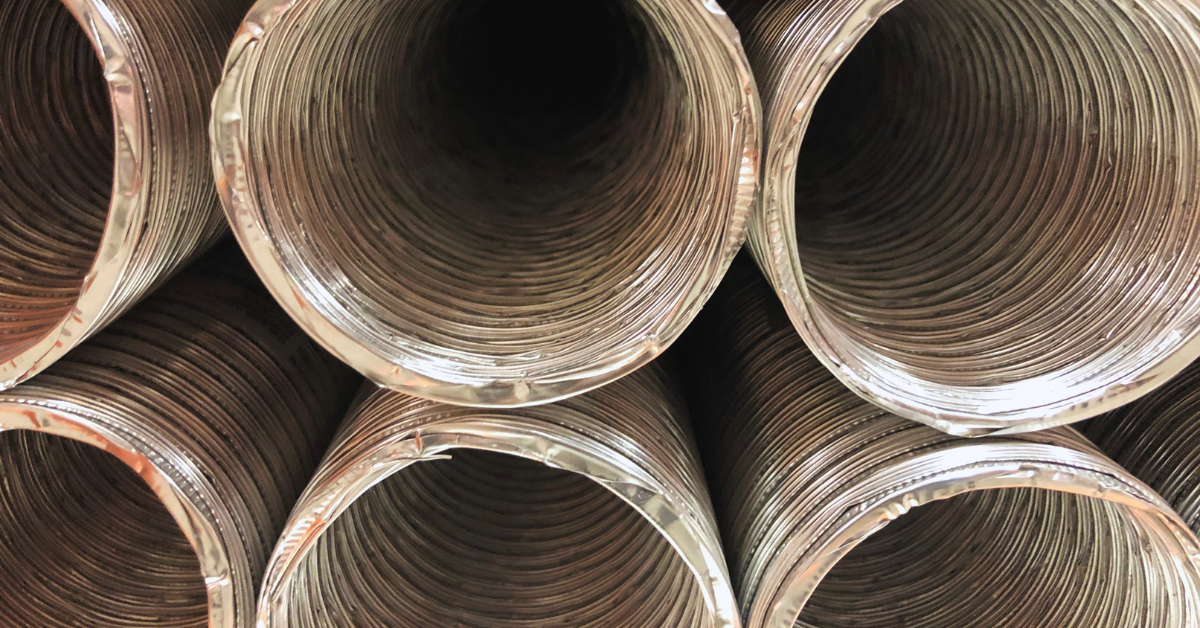
Your building’s ductwork is the system that delivers air to every room. Day after day, it carries air past people, equipment, and building materials, and over time it can collect more than most people realize. Duct cleaning is one way to keep that system working well, and understanding what it can and can’t do helps you decide whether it’s right for your building.
What’s Inside Your Ducts?
Even with good filters, some particles get through and settle inside the ductwork. Common buildup includes:
- Dust and dirt
- Pollen and other allergens
- Mold spores, especially where moisture is present
- Debris from construction or renovation
- Pet dander, insect debris, or rodent droppings in neglected systems
- Residue from cooking or manufacturing in certain environments
In a commercial building, large HVAC systems move a lot of air through a lot of duct, so there are plenty of places for buildup to collect.
How Does Duct Cleaning Work?
Professional duct cleaning removes contaminants from the air distribution system, including the ducts, vents, and often related components. Here’s the general process:
- Inspection. The technician examines the system, sometimes using cameras to see inside the ducts and identify problem areas.
- Containment. The system is placed under negative pressure, so loosened debris is pulled toward a collection unit instead of spreading into occupied spaces.
- Agitation. Brushes, air whips, or compressed air tools loosen dirt from the duct surfaces.
- Vacuum removal. A powerful, HEPA-filtered vacuum collects the debris.
- Cleaning related components. Registers, grilles, coils, and other parts of the system are cleaned as needed.
- Final inspection. The technician confirms the system is clean and operating properly.
How Can Duct Cleaning Improve Air Quality?
When done for the right reasons, duct cleaning can help in several ways.
It removes a source of contamination. Dust, mold, and debris inside ducts can be pushed into occupied spaces. Removing them reduces that source.
It can reduce odors. Musty or stale smells often trace back to buildup or moisture in the ducts. Cleaning, together with fixing the moisture source, can help clear them.
It helps remove construction debris. After a renovation or build-out, fine dust often ends up in the ductwork. Cleaning prevents it from circulating once the space is occupied.
It supports system efficiency. Heavy buildup on components like coils and fans can restrict airflow and make the system work harder. Cleaning can help restore airflow, which may reduce energy use and strain on the equipment.
It supports a better workplace. Cleaner air can help create a more comfortable environment for employees and visitors, especially for people sensitive to dust and allergens.
What Duct Cleaning Can’t Do
It’s worth being upfront here, because duct cleaning isn’t a cure-all. The EPA has noted that evidence on the health benefits of routine duct cleaning is limited, and that dust inside ducts doesn’t always enter living or working spaces. Cleaning makes the most sense when there’s an actual problem, rather than as a one-size-fits-all fix.
Duct cleaning also won’t solve problems caused elsewhere. If your air quality issues come from poor filtration, inadequate ventilation, moisture problems, or outdoor pollutants, those need to be addressed too. The best results come from treating duct cleaning as one part of a bigger indoor air quality plan, along with proper filters (see our post on MERV ratings), good ventilation, and regular maintenance.
When Should You Consider Duct Cleaning?
Look for signs like these:
- Visible mold growth inside ducts or on other parts of the system
- Pests, such as rodents or insects, in the ductwork
- Heavy buildup of dust or debris, such as dust blowing out of supply vents
- Recent construction or renovation that left dust in the system
- Persistent odors that don’t go away
- Water damage or moisture problems affecting the ducts
- Occupant complaints, such as ongoing allergy-like symptoms that seem tied to the building
- A long time since the last cleaning, especially in dusty or high-use environments
If you find mold, the cleaning must go hand in hand with fixing whatever caused the moisture. Otherwise, the mold is likely to return.
How to Choose a Duct Cleaning Provider
Quality varies widely, so look for a professional contractor who:
- Has experience with commercial systems, not just residential
- Follows recognized industry standards, such as those from NADCA, the duct cleaning trade association
- Uses negative pressure containment and HEPA-filtered equipment
- Inspects before and after, and is willing to show you the results
- Explains what they found and why cleaning is, or isn’t, needed
- Provides a clear scope of work and written estimate
Be cautious of anyone who pushes cleaning without inspecting first, or who makes big promises about health benefits.
Keeping Your Ducts Clean Longer
Cleaning is more effective when you also prevent buildup in the first place:
- Change filters on schedule, and use the right filter for your system
- Seal duct leaks, which can pull in dust from unconditioned spaces
- Keep the building clean, especially during construction or renovation
- Address moisture problems quickly
- Schedule regular HVAC maintenance and inspections
The Bottom Line
Duct cleaning can improve commercial air quality when it’s used to solve a real problem, such as mold, debris, pests, or heavy buildup. It’s most effective as part of a larger plan that includes good filtration, ventilation, and routine maintenance.
If you’re unsure whether your ductwork needs attention, start with an inspection. A qualified HVAC professional can show you what’s inside and recommend a plan that fits your building.
Serving all of Michigan
Toll Free: 844-616-4822
Grand Rapids: 616-616-4822
New Hudson: 248-486-6500
West Branch: 989-999-4822