
Commercial Boiler Maintenance
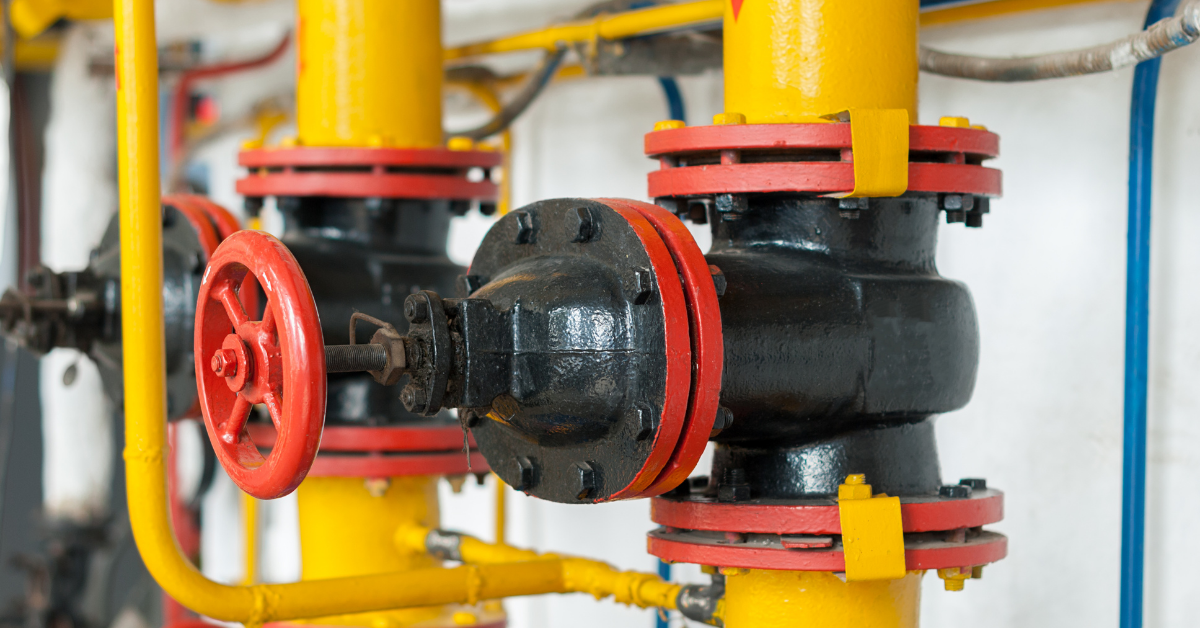
When temperatures drop across Michigan, a commercial boiler is often the one piece of equipment an entire building depends on. Hospitals, schools, manufacturing plants, apartment buildings, and office complexes all rely on boilers to deliver steady, dependable heat through the coldest months. Yet many facility managers inherit a boiler plant without ever getting a clear explanation of how it works, what type they have, or what it needs to last.
At Level One HVAC, we service commercial boilers throughout Michigan, and we find that a basic understanding of your system leads to better maintenance decisions, faster troubleshooting, and smarter long-term planning. Here’s what every facility manager should know.
How a Commercial Boiler Works
A boiler heats water (or, in some systems, produces steam), then circulates it through piping to radiators, baseboard units, air handlers, or in-floor heating systems throughout the building.
The basic process looks like this:
- Fuel and air enter the burner, typically natural gas, though some boilers run on oil, propane, or electricity
- Combustion heats a heat exchanger, transferring energy to the water without mixing the two
- Heated water or steam is distributed through the building’s piping system
- Heat is released at terminal units, such as radiators, coils, or convectors
- Cooler water returns to the boiler to be reheated, and the cycle repeats
Unlike a furnace, which heats air directly, a boiler uses water as the heat-carrying medium. That’s why boiler systems tend to deliver even, comfortable heat and are so common in larger commercial and institutional buildings.
Types of Commercial Boilers
Hot Water Boilers The most common type in commercial buildings. They heat water to a set temperature and circulate it through a closed loop. Hot water systems are generally efficient and well suited to buildings that need consistent, zoned heating.
Steam Boilers These heat water until it becomes steam, which travels through piping to radiators or process equipment. Steam is still found in many older buildings and in facilities that need steam for processes like sterilization, humidification, or manufacturing.
Condensing Boilers High-efficiency boilers designed to capture additional heat from exhaust gases that would otherwise be lost. They work best in systems with lower return water temperatures and can deliver significant fuel savings compared to older, non-condensing designs.
Non-Condensing (Conventional) Boilers These are the traditional design. They’re often more tolerant of higher return water temperatures, which makes them a common fit for older buildings with existing high-temperature distribution systems.
Firetube and Watertube Boilers These describe how the boiler is built. In a firetube boiler, hot combustion gases pass through tubes surrounded by water. In a watertube boiler, water flows through tubes surrounded by hot gases. Firetube designs are common in small-to-mid-sized commercial applications, while watertube boilers are often used where higher pressures or capacities are needed.
Modular Boiler Systems Rather than relying on one large boiler, a modular system uses several smaller units working together. This provides built-in redundancy, so if one unit goes down, the others can keep carrying part of the load, and it allows the system to match output more closely to actual demand.
Why Boilers Deserve Attention Before Winter, Not During It
Boilers are durable and can last for decades when properly cared for, but they’re also high-temperature, high-pressure equipment that doesn’t tolerate neglect.
A few reasons proactive attention matters:
- Heat is not optional. A boiler failure in January isn’t a minor inconvenience. It can affect an entire building, and in some facilities, such as healthcare or senior living, it’s a safety issue.
- Safety is built into the equipment. Low water cutoffs, pressure relief valves, and flame safeguards exist for good reason, and they only protect you if they’re tested and working.
- Efficiency drifts over time. Scale buildup, fouled heat exchangers, and burners that are out of tune quietly increase fuel use long before anything breaks.
- Emergency repairs cost more. Cold-weather breakdowns mean premium rates and long waits, since every facility in the region is competing for the same technicians.
Common Commercial Boiler Problems
Scale and Sediment Buildup Minerals in the water can collect on heat exchange surfaces, reducing efficiency and causing overheating. Proper water treatment and regular flushing help prevent this.
Corrosion and Leaks Over time, corrosion can attack tubes, fittings, and the boiler shell. Catching it early is the difference between a repair and a premature replacement.
Burner and Combustion Issues Dirty or misadjusted burners cause poor combustion, wasted fuel, soot buildup, and in worse cases, safety hazards.
Failed or Faulty Controls Aquastats, pressure controls, sensors, and flame safeguards all wear out. Faulty controls can cause short cycling, uneven heating, or nuisance shutdowns.
Circulation Pump Problems When pumps fail or lose efficiency, hot water doesn’t reach every part of the building, and the result is cold spots and tenant complaints.
Short Cycling A boiler that turns on and off too frequently is working inefficiently and wearing out components faster. The cause can be oversizing, control problems, or flow issues.
What a Good Boiler Maintenance Program Includes
Regular, documented maintenance is the best way to protect your investment and avoid surprises.
A strong program typically covers:
- Annual combustion analysis and burner tune-up to keep the boiler efficient and safe
- Inspection of the heat exchanger for corrosion, scale, and cracks
- Safety control and relief valve testing
- Water treatment and testing to prevent scale and corrosion
- Inspection of pumps, valves, and circulation components
- Controls calibration and review
- Flue and venting inspection to confirm exhaust is safely leaving the building
- Documentation of all findings, which supports insurance, code compliance, and warranty requirements
Many commercial boilers are also subject to jurisdictional inspection requirements, so staying current on documentation matters beyond just good practice.
Repair or Replace? Signs It May Be Time
Boilers can last a long time, but there comes a point when continued repair no longer makes financial sense. Consider a replacement evaluation if you’re seeing the following:
- Rising fuel costs without a matching increase in demand
- Frequent or recurring repairs, especially on major components
- Significant corrosion or heat exchanger damage
- Difficulty finding replacement parts for an older unit
- An aging non-condensing boiler in a system that could benefit from modern high-efficiency equipment
- Capacity that no longer fits the building, whether because of renovations, additions, or original oversizing
A good evaluation compares the full picture: repair costs, ongoing fuel use, reliability risk, and the efficiency gains a newer system would deliver. Replacement is a major investment, so it deserves an honest, side-by-side analysis rather than a rushed decision in the middle of a cold snap.
Plan Now, Stay Warm All Winter
The best time to think about your boiler is before you need it. A pre-season inspection, a clear maintenance plan, and a realistic view of your equipment’s age and condition give you control over costs and timing, instead of leaving it to chance.
At Level One HVAC, our technicians service commercial boilers of all types and sizes, with 24/7 emergency availability, 365 days a year, and maintenance agreements designed to keep your system performing reliably through every Michigan winter.
Want to make sure your boiler is ready for the heating season? Contact Level One HVAC to schedule a start up, inspection or just want to talk through your repair and replacement options.
Serving all of Michigan
Toll Free: 844-616-4822
Grand Rapids: 616-616-4822
New Hudson: 248-486-6500
West Branch: 989-999-4822