
Winter-Ready RTUs: Cold-Weather Maintenance Checklist
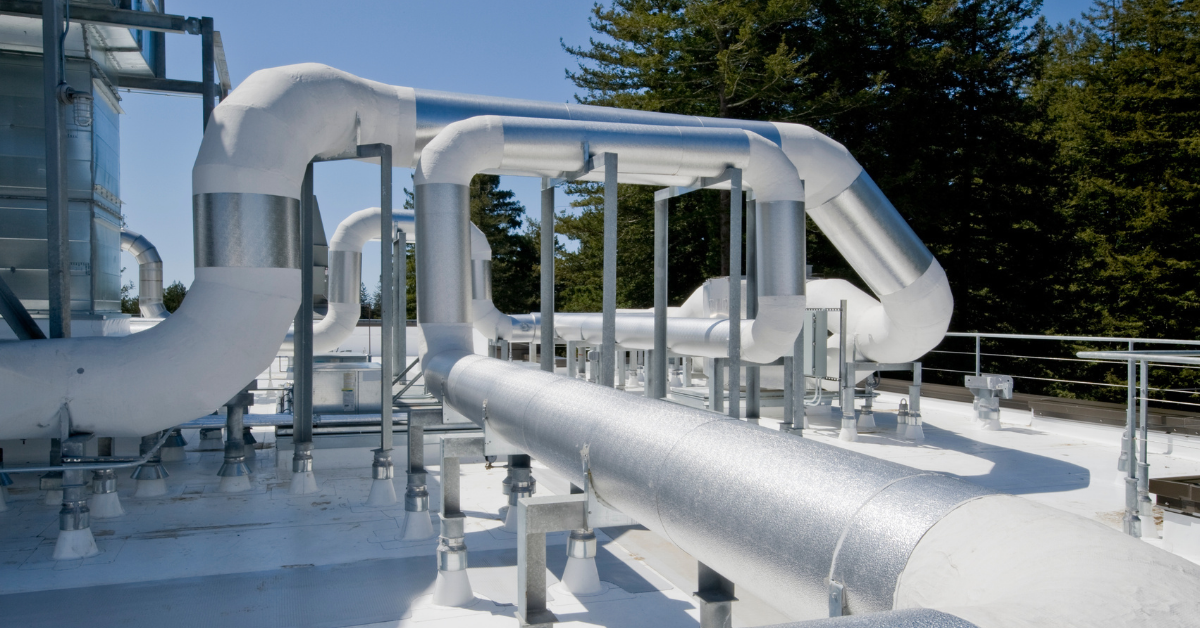
Your rooftop units (RTUs) sit outside all year, taking whatever the weather throws at them. When temperatures drop, they have to work harder to keep your building warm, and any small problem that went unnoticed in the fall can turn into a no-heat call on the coldest day of the year. A little preparation now can help you avoid that.
This checklist covers what to look at before winter hits, what you can check yourself, and what’s best left to a professional.
Why Winter Prep Matters
- Fewer breakdowns. Most heating failures happen when demand is highest. Catching worn parts early means fewer emergency calls.
- Lower energy bills. A clean, well-adjusted unit heats more efficiently and doesn’t waste energy.
- Longer equipment life. Regular maintenance reduces strain on components like motors, belts, and heat exchangers.
- Better comfort and safety. Reliable heat keeps tenants and employees comfortable, and a safe system protects your building.
A Quick Safety Note
Rooftop work carries real risks, including falls, electrical hazards, and slippery surfaces in cold or wet weather. Anything involving electrical components, gas, refrigerant, or the inside of the unit should be handled by a qualified HVAC technician. If you check anything yourself, stick to visual inspections from a safe position, and never open panels on a powered unit.
The Cold-Weather Checklist
1. Replace the filters
Dirty filters restrict airflow, make the unit work harder, and can cause overheating in the heating section. Check and replace filters before the heating season starts, and keep an eye on them throughout winter. (If you’re not sure which filter is right for your system, see our post on MERV ratings.)
2. Inspect the heat exchanger and burners
For gas-fired units, a technician should check the heat exchanger for cracks or corrosion and make sure burners are clean and igniting properly. A damaged heat exchanger can be a safety concern, so this is one of the most important items on the list.
3. Check the gas and combustion components
A technician should confirm the gas connections are secure, the flue and vent are clear, and the unit is burning cleanly. Birds’ nests, leaves, and debris can block vents, so it’s worth having them checked.
4. Test the controls and thermostat
Make sure thermostats and building controls are set correctly for winter, with heating schedules that match when the building is actually occupied. A technician can verify that the unit responds correctly and cycles through its heating sequence.
5. Inspect belts, bearings, and the blower
Belts can crack or loosen, and bearings wear out over time. A technician will check tension and condition, lubricate parts as needed, and make sure the blower motor is running smoothly.
6. Check electrical connections
Loose connections and worn contactors can cause failures, especially in cold weather. A technician will inspect wiring, tighten connections, and test electrical components for proper operation.
7. Clear debris and check the unit’s surroundings
Remove leaves, trash, and anything blocking the unit’s outdoor air intake and surrounding area. Make sure there’s room for airflow and for technicians to access the unit safely.
8. Inspect the cabinet, panels, and seals
Look for loose or missing panels, damaged gaskets, and rust. Gaps allow cold air, snow, and moisture to get in, which can damage components and reduce efficiency.
9. Check the drainage and condensate
Clogged drain lines can back up, and water that freezes can damage equipment and the roof around it. Make sure condensate drains are clear and that water isn’t pooling around the unit.
10. Look at the economizer and outside air dampers
Dampers that stick open let in too much cold air, while dampers stuck closed can limit ventilation. A technician should test that they open and close properly and that the seals are in good condition.
11. Inspect the heat pump components (if applicable)
If you have a heat pump rooftop unit, the technician should check the reversing valve, defrost cycle, and refrigerant levels, since cold weather puts extra demand on these parts. Any work involving refrigerant requires an EPA 608 certified technician.
12. Check the roof curb and rooftop area
Look for damage around the curb, loose flashing, or standing water. Water that freezes can damage roofing materials and cause leaks.
What to Watch for All Winter
Even after a good tune-up, keep an eye out for these warning signs:
- Unusual noises like squealing, banging, or rattling
- Uneven heating or rooms that never get warm
- Short cycling, where the unit turns on and off frequently
- Higher-than-normal energy bills
- Ice buildup on the unit or surrounding area
- Strange smells when the heat starts up
- Frequent resets or error codes on the controls
If you notice any of these, call your HVAC contractor sooner rather than later. Small problems tend to get bigger and more expensive in the cold.
Winter Weather Tips
- Snow and ice: Keep snow cleared from around the unit’s air intakes and vents, but don’t use sharp tools that could damage the unit.
- Roof access: Make sure the path to the unit is safe and clear before anyone goes up. Ice and snow make rooftops especially hazardous.
- Extreme cold: On very cold days, check that the unit is still heating properly, and report issues early.
Should You Schedule a Professional Tune-Up?
For most commercial buildings, yes. A professional tune-up before winter covers the items that are hard or unsafe to check on your own, and gives you a written record of what was inspected and what needs attention. Many building owners go a step further with a preventive maintenance agreement, which schedules regular visits throughout the year so you’re not scrambling when the temperature drops.
The Bottom Line
Your rooftop units are the workhorses of your building’s heating system. A little attention before winter can prevent breakdowns, lower energy costs, and keep everyone comfortable all season. Schedule an inspection before the first hard freeze, and you’ll be glad you did.
If you’re not sure when your RTUs were last serviced, that’s a good reason to call. A quick inspection can tell you what’s in good shape and what needs attention before the cold sets in.
Serving all of Michigan
Toll Free: 844-616-4822
Grand Rapids: 616-616-4822
New Hudson: 248-486-6500
West Branch: 989-999-4822